
Mumbai rains are something else. That first shower after months of brutal heat — there is genuinely nothing like it. But anyone who has spent a few monsoons here knows the other side too. The roads that turn into rivers. The smell of flooded streets. And that quiet familiar dread of knowing someone in the family is going to fall sick before September is over.
It happens every year. Same diseases, same areas, same story. Here is what you actually need to know going into the Mumbai monsoon season.
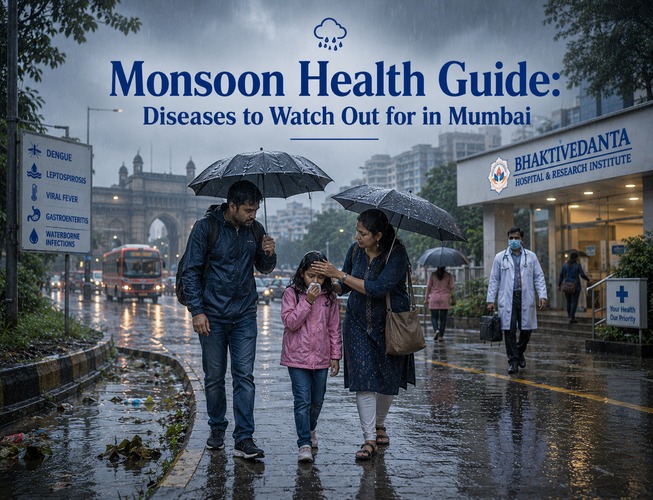
Why Mumbai Takes It Harder Than Most Cities
It is not just the rain. Every city gets rain.
Mumbai's problem is everything that comes with it — drainage that cannot keep up, areas like Dharavi, Kurla, Sion, and Andheri that go underwater fast, and millions of people who still need to eat from roadside stalls and use water sources that may or may not be clean on any given day.
When flooding happens, sewage and floodwater do not stay separate. That mix gets into streets, sometimes into buildings, occasionally into the water supply. Then humidity sits on top of everything and suddenly you have perfect conditions for infections to spread. That is just what the city looks like from a health standpoint every June through September.
It is not just the rain. Every city gets rain.
Mumbai's problem is everything that comes with it — drainage that cannot keep up, areas like Dharavi, Kurla, Sion, and Andheri that go underwater fast, and millions of people who still need to eat from roadside stalls and use water sources that may or may not be clean on any given day.
When flooding happens, sewage and floodwater do not stay separate. That mix gets into streets, sometimes into buildings, occasionally into the water supply. Then humidity sits on top of everything and suddenly you have perfect conditions for infections to spread. That is just what the city looks like from a health standpoint every June through September.
The Diseases That Show Up Every Year
Leptospirosis
Most people outside Maharashtra have barely heard of it. In Mumbai it should be on everyone's radar. It spreads through water contaminated with rat urine — and given Mumbai's flooding and large rodent population, the risk here is genuinely high. Symptoms feel like a bad flu initially — high fever, bad headache, and a very specific deep pain in the calf muscles. If you have walked through floodwater and feel this way within two weeks, get a blood test done and tell your doctor about the exposure. Do not wait it out.
Malaria
is still very present in Mumbai, especially near construction sites and poorly maintained drains. The fever comes in waves with chills and sweating following a predictable cycle — that pattern is what sets it apart from regular fever. Treatable when caught early, complicated when ignored.
Dengue
The Aedes mosquito breeds in clean stagnant water — flower pots, coolers, overhead tanks with loose covers. It does not take much. Dengue hits hard with high fever, severe joint pain, pain behind the eyes, and falling platelet count. There is no specific medicine for it, so catching it early is everything.
Typhoid
Contaminated food and water, both of which become riskier during Mumbai monsoon when supply chains are disrupted and hygiene at smaller food stalls drops. Typhoid builds slowly — fever that climbs a little more each day, tiredness, stomach discomfort. Easy to mistake for something minor. The typhoid vaccine is simple and worth getting before the season starts.
Gastroenteritis
Every monsoon, stomach infections spike across the city. Vomiting, loose motions, dehydration — usually from contaminated water or food. Adults manage. Children and elderly people can deteriorate quickly from dehydration alone. If symptoms are not settling within a day or two, get medical attention.
Hepatitis A and Fungal Infections
Hepatitis A spreads through contaminated food and water, causes jaundice and weeks of exhaustion, and has a vaccine available — worth taking. Fungal infections are less serious but very common. Wet shoes and constant humidity make Mumbai monsoon ideal for athlete's foot and skin infections. Antifungal powder and dry feet go a long way.
Things That Actually Make a Difference
- Walk through floodwater and wash your legs with soap immediately after. Check for cuts.
- Boil or filter drinking water during heavy rain — do not assume the supply is fine.
- Remove standing water at home. Cooler trays, flower pots, buckets. Dengue mosquitoes need very little.
- Use mosquito repellent, especially morning and evening.
- Be cautious with street food right after heavy rain, not forever — just during the riskiest days.
- Fever that does not break after two days needs a blood test, not just paracetamol.
FAQ
Which monsoon disease is most dangerous in Mumbai?
Leptospirosis and dengue are the two to watch most closely. Leptospirosis because of Mumbai's flooding and rat population, dengue because platelet count can drop fast and there is no specific antiviral treatment.
Is street food safe during monsoon?
Hot freshly cooked food from busy stalls is generally safer than cut fruit, juices, or anything sitting uncovered. Be more careful immediately after heavy rain when hygiene is hardest to maintain.
What vaccines should I get before monsoon?
Typhoid and Hepatitis A are the two most commonly recommended. Ask your doctor about cholera vaccination if you live in a high-risk area.
I walked through floodwater — what now?
Wash thoroughly with soap immediately. Watch yourself over the next two weeks. Fever, bad headache, or calf pain after floodwater exposure means see a doctor — and mention the exposure specifically.
How do I prevent dengue at home?
Remove every source of standing water you can find. Cooler trays, pot bases, tank covers, buckets. Then use nets and repellents, especially for children and elderly family members.